The much-needed government funding will not only support the sector but local content in the form of jobs for Victorians and the wider workforce, including businesses, going some way to alleviating the general downturn in the Victorian bus market.
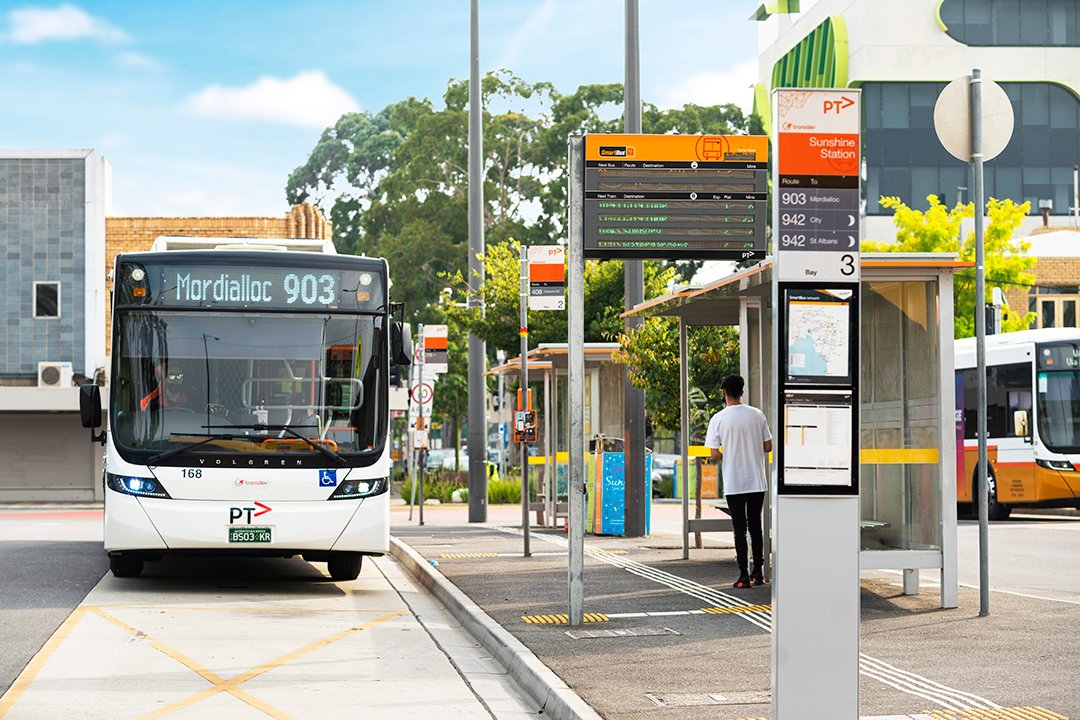
It will also open up the latest technology vehicles to operators, featuring modern safety features such as seat belts and stability control on school buses. The vehicles will also have the latest European Euro 6 emissions technology.
Speaking on the recent win for bus and coach, BIC Council Vice Chair Steve Heanes broke down what the funding would include:
“Initially, there were no plans for new school buses until 2030. The 96 vehicles will include six low-entry route buses, 23 mid-size seat-belted school buses and 67 large seat-belted school buses. These are intended to phase out any existing school buses without seat belts, offering a safe step forward for operators and their passengers.”
He continued to say that “Bus operators will receive letters in the coming days advising the specific replacement requirements (after the BIC receives the final go-ahead).
“The caveat on the order placement, though, is that operators need to contact their regional Department of Transport and Planning (DTP) Manager prior to 30 June 2025 to signal their order intent. The BIC encourages vehicle suppliers to contact their customers to ensure they secure their intent to order as soon as possible.”
While timing is very tight, the BIC supports the additional volume as part of the Victorian government’s considered transition to zero emission buses (ZEBs).
BIC Executive Director Varenya Mohan-Ram added, “the funding deal means securing additional safety for School buses by providing seatbelts and that each order of Euro 6 technology buses will actually reduce pollution by up to 90% against the Euro 3 model buses they will replace.
“Each new bus will cut the number of particulates (black soot exhaust smoke) going into the atmosphere by up to 6.3 tonnes, which will neatly dovetail in with the government’s plans to convert the public bus fleet to quieter, more comfortable and lower-emission vehicles on the way to achieving its net-zero targets by 2050.
“This is an exceptional outcome for industry and operators which will guarantee longer-term work for businesses and buses for Victorian operators alike.”